Why Chinese Energy & Tech Brands Struggle to Build Trust in Germany | It's rarely about language
Chinese solar, battery storage and e-mobility manufacturers often have the strongest technology in their category. Entering the German market should be straightforward — demand is high, products are competitive, and most companies invest properly in translation.
Yet credibility with German B2B buyers often takes longer to build than expected. The reason is usually not the product. It's rarely even the language.

What German B2B Buyers Actually Evaluate
German buyers weigh a few specific signals more heavily than buyers in other markets:
Signal | What it means in practice |
Directness over promotion | Broad claims about "innovation" or "leadership" read as overselling. Specific, evidence-based statements build more trust. |
Local proof, not just global scale | Global certifications matter — but local case studies and compliance references matter more. |
Structure before persuasion | Content that answers likely questions in order (what it does, how it compares, what's required) outperforms content built purely to persuade. |
None of this means abandoning global positioning. It means adapting how that positioning is presented.
The Hidden Bottleneck: Approval Speed, Not Content Quality
One pattern shows up repeatedly in German market entries: content quality is rarely the limiting factor. Approval speed is.
German partners and customers expect fast, locally credible responses — updated pricing, timely technical content, quick turnaround on requests. When every change has to move through multiple approval layers back to headquarters in China, that expectation gap becomes the real friction point, even when the underlying content is accurate.
This gets discussed far less than translation quality, which is part of why it stays underestimated. Translation agencies solve the language problem. Few solve the approval-speed problem — because it was never a language problem to begin with.
Three Questions Worth Asking Before Launch
Does content need headquarters sign-off, and how many steps does that involve?
Can the local team make small updates without a full approval cycle?
Are proof points built around how German buyers evaluate credibility — or adapted from materials made for a different market?
Companies that address these before launch tend to build credibility faster than companies that treat German market entry as a translation project.
The Takeaway
Great technology doesn't automatically translate into trust in a new market. The companies that move fastest usually aren't the ones with the most content — they're the ones whose content and approval process are built for how German B2B buyers and headquarters both actually work.
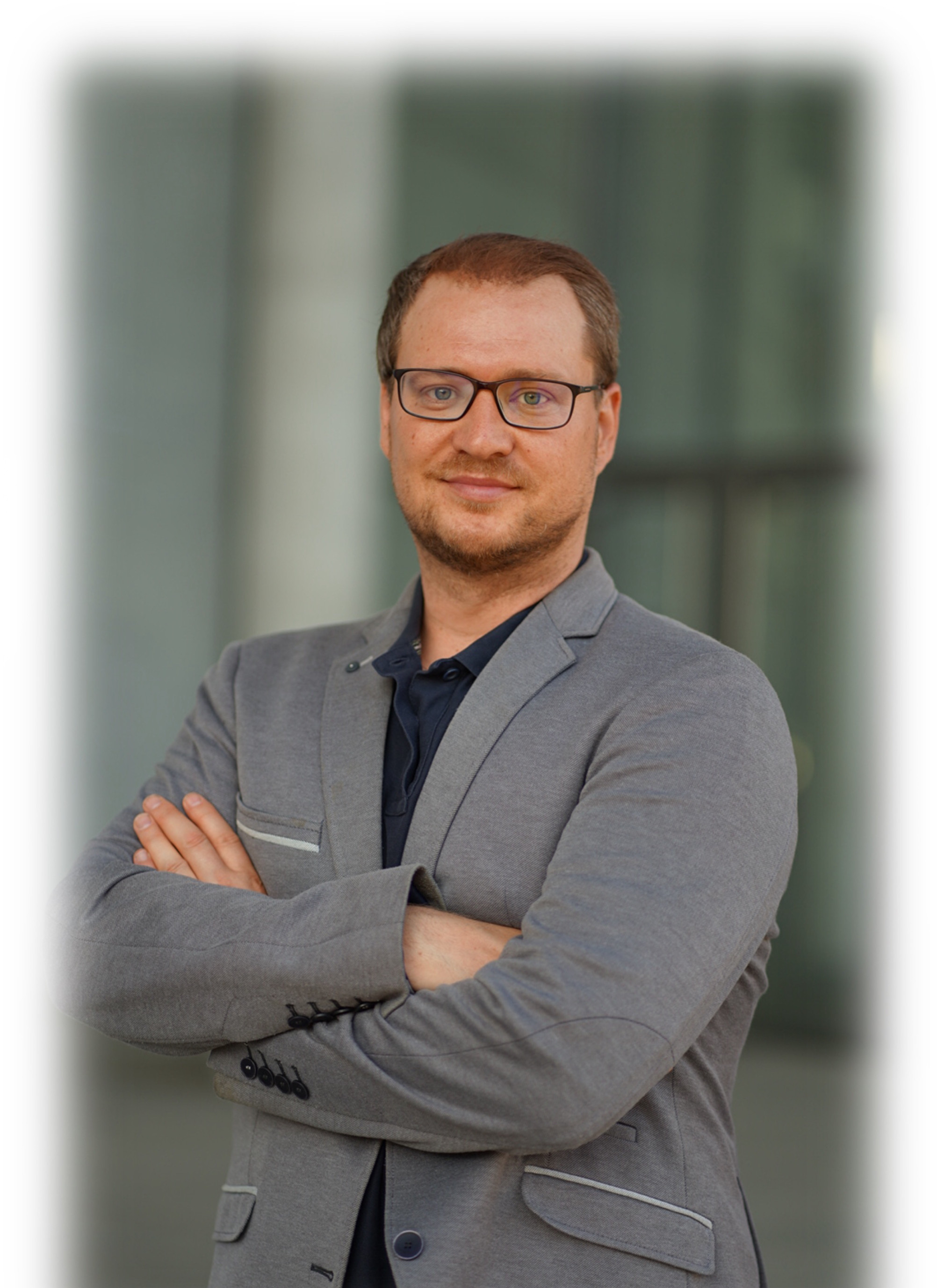
I work with Chinese energy and tech companies on exactly this challenge. If this is relevant to your market entry, feel free to connect on LinkedIn.


Comments